<p>Whether you’re purchasing a brand new car or a slightly used one, your vehicle is undoubtedly one of your most valuable possessions and one that you depend on nearly every day. So, it makes perfect sense that you want to keep your car in good working condition for as long as possible.</p>
<p>Unfortunately, regular wear and tear can take a toll on both the performance and the look of your car. However, with proper care, you can preserve the health of your car for at least the next ten years. Keep reading for tips on preserving the health and look of your vehicle.</p>
<h2>Read the Owner’s Manual</h2>
<p>Every car comes with an owner’s manual that explains how to care for the car properly. If you purchased a used vehicle that doesn’t have an owner’s manual, it’s highly likely that you can find a copy online. Take the time to read through this manual to learn about all the components of your vehicle and how to properly use them.</p>
<p>This guide also provides information about what type of gas and oil works best in your specific car and its optimal tire pressure. Most importantly, the owner’s manual provides a recommended maintenance schedule for things like oil changes, tire rotations, and fluid checks. Sticking to this maintenance list and retaining your service records can not only keep your car running smoothly but can also increase the trade-in value of your car.</p>
<h2>Maintain Proper Insurance</h2>
<p>Most car loan lenders require owners to maintain comprehensive insurance on their vehicles. Even without this requirement, it’s always a good idea to have full auto insurance protection. This coverage allows you to have your car quickly repaired in the event of an accident. Even minor damage left unrepaired can destroy the look and performance of your car. For example, what may seem like a small scratch can cause your car to rust or the paint to chip. You can avoid these issues by having your car repaired as quickly as possible after an accident.</p>
<p><a href="https://www.marketwatch.com/picks/guides/insurance/best-car-insurance/">The best way to shop for auto insurance</a> is to request quotes from several of the top carriers. This step allows you to compare and contrast different policies and options to determine which auto insurance plan is right for you. When you shop for car insurance be sure to read the small print, so you know exactly what is and what isn’t covered as well as how much your deductible is. With this information in hand, you’ll more accurately be able to compare policies.</p>
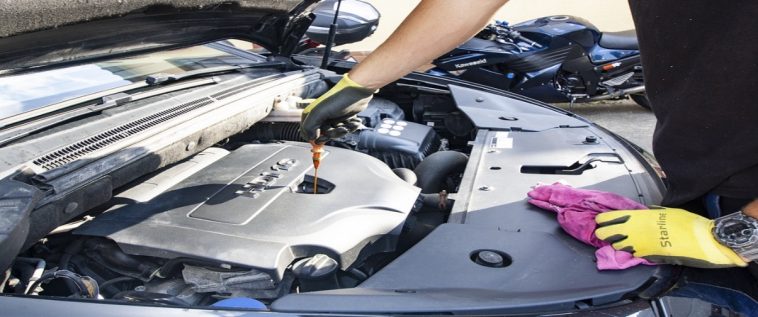
<h2>Frequent Oil Changes</h2>
<p>Ensuring your car has the right amount of oil is critical to its overall performance. In fact, operating your car without the correct amount of oil could destroy the engine and cause thousands of dollars in damages. It’s recommended to check your car’s oil level at least once a month, if not every time you fill up your tank.</p>
<p>It’s equally important to have your oil changed frequently. This step can keep your car operating at peak performance. While older cars may require an oil change every 3,000 miles, most newer vehicles can last 10,000 miles or more before needing an oil change. It’s important to refer to your owner’s manual to determine how often your car’s oil should be changed.</p>
<h2>Regular Tune-ups</h2>
<p>An oil change isn’t the only type of maintenance your car needs. You should also schedule regular tune-ups. It’s recommended to have your car serviced at least once a year. However, there may be certain circumstances that require more frequent care. For example, most experts recommend<a href="https://www.consumerreports.org/tires/how-often-should-you-rotate-your-tires-a6498961903/"> rotating a car’s tires</a> every 5,000 &#8211; 8,000 miles. If your car reaches this level mid-year, you don’t want to wait until the end of the year to have your tires rotated. Use your owner’s manual as a guide for these types of services.</p>
<p>During a standard tune-up, the mechanic starts with a visual inspection of the vehicle, including checking spark plugs and belts for damage. The mechanic also takes the time to check the tire air pressure, internal and external lights, and brakes and brake pads as well as replace the air filter and check all fluid levels. Most importantly, the mechanic can detect any issues with your vehicle and make the necessary repairs before they become more costly issues.</p>
<h2>Take Warning Lights Seriously</h2>
<p>Today’s vehicles are typically equipped with a range of warning lights ranging from the low tire pressure light to the check engine warning. As a car owner, it’s crucial to take these warning lights seriously. While you may be able to handle a tire pressure warning on your own by simply filling the tires with air, a check engine light is more serious. In this case, be sure to contact your mechanic as soon as possible.</p>
<p>Additionally, don’t ignore other warning signs, such as an unfamiliar noise from the engine, a louder than normal muffler, vibration or shaking problems with the car, and any braking issues. You always want to have these issues taken care of immediately before they cause more damage.</p>
<h2>Invest in Professional Car Detailing</h2>
<p>To keep your car looking great inside and out, it’s highly recommended to invest in professional car detailing. These professional detailers completely clean and vacuum all internal areas of your vehicle and wash and polish the exterior to remove dirt, grime, and debris that can make your car’s appearance dingy. In between detailing services, you should also frequently handwash your vehicle to remove any dirt or debris that could damage the paint on your car.</p>
<p>Taking steps to protect your car year after year can keep it healthy and looking great even 10 years from now.</p>

How Can You Preserve Your New Car’s Health 10 Years from Now?