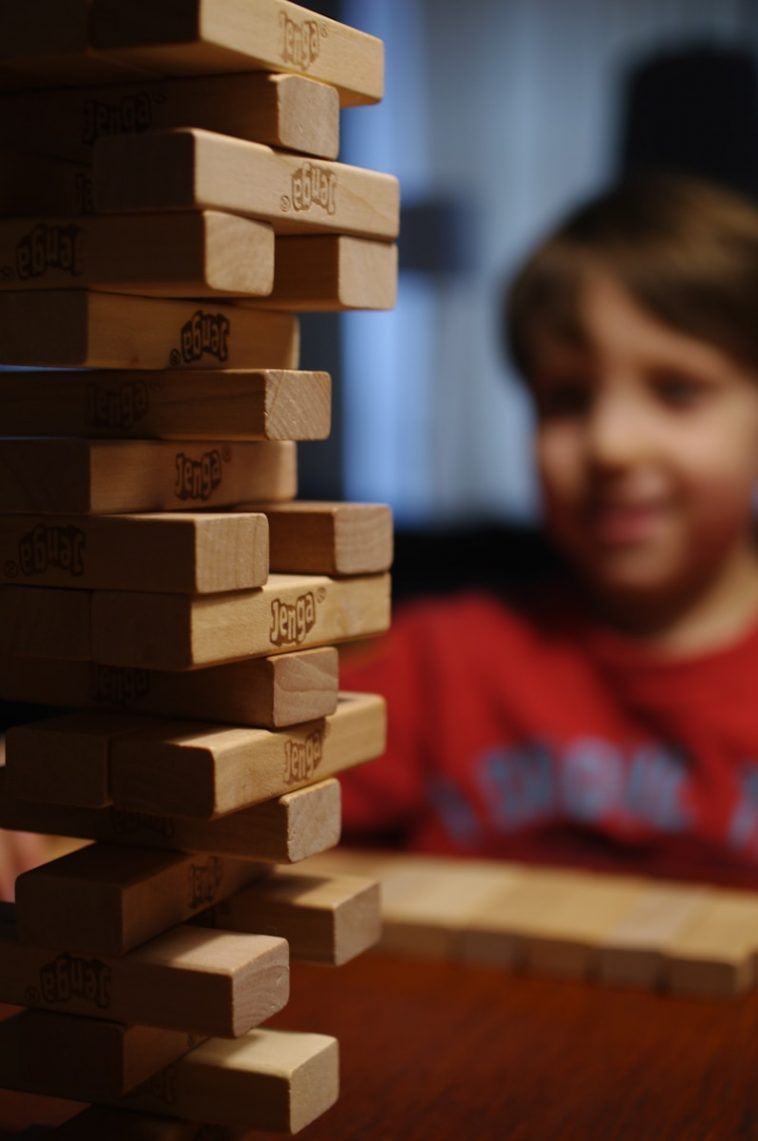
<p>One of the benefits of public school is socialization. While kids may not (probably won’t) remember the molecular structure of a cell, they’ll definitely remember being bullied. They’ll recall who was kind in their times of need. And they’ll build core memories around the adults who helped facilitate positive interactions during their formative years. Fortunately, there are plenty of steps you can take to help kids build social skills.</p>
<h2>1. Get Them Onto the Playground</h2>
<p>One of the fastest and easiest ways to get kids to interact more with each other is to get them outside. Recess and lunchtime breaks are being shortened in schools in the interest of more academics. This shift has likely contributed to the decline in kids’ social skills, and it doesn’t even come with an increase in academic performance. If you can do one thing at school or home to help kids, it will be to petition for more time outside.</p>
<p>At schools and in parks, allowed to play freely on structures, with minimal supervision, kids figure things out. They make friends, they resolve conflict, and they use their imaginations together. Great play structures and even clean, functioning <a href="https://www.playgroundequipment.com/products/commercial-playgrounds/swing-sets/">swing sets</a> can foster creativity and conversation. So, whether you’re a teacher or a parent, talk to your administrators or parks and recreation department. Do what you can to get kids outside and get play equipment for them to play and socialize on.</p>
<h2>2. Get to Know Their Interests and Engage Them</h2>
<p>Often, parents and teachers take a top-down approach with kids. Instead of engaging kids on their level and discovering the kids’ interests, adults decide what kids will do and play with. This tactic may be efficient, but it often shuts down the kids who care about different subjects. Those kids can become more introverted and reclusive, which makes them less likely to socialize.</p>
<p>You can switch things up by asking open-ended questions and encouraging children to communicate. Share with them your own “weird” interests, and ask them to share with you. From there, you can introduce materials that feed their interests. They can connect with other kids who have similar passions, and they can build small communities. When you show kids, and their peers, that there are very few unacceptable topics, you foster openness and empathy.</p>
<h2>3. Read Aloud to Create Empathy</h2>
<p>For one reason or another, parents and teachers often stop reading aloud to kids at a certain age. Once kids can read on their own, they typically get sent into silent reading or assigned reading homework. And while you can assign essays and even have class discussions, something is missing. Children stop having the shared experience of empathy for a character in a book, fiction or nonfiction. Reading becomes work, rather than communal, and the joy often disappears.</p>
<p>Since ample studies show that <a href="https://www.pbs.org/parents/thrive/8-childrens-books-that-encourage-empathy-by-listening#:~:text=Reading%20aloud%20to%20children%20is,their%20language%20and%20listening%20skills.">reading promotes empathy</a>, it is essential to keep reading a social interaction. When you read aloud, the process can become a social, rather than an individual, experience. Children build language skills and learn to actively listen better. They also develop an awareness of a world, and people, outside of themselves. These kids are less likely to shut others out or become bullies and instead may help those in need and make friends.</p>
<h2>4. Rethink Your Approach to Teamwork and Discipline</h2>
<p>There has been a shift in recent decades to make everyone a winner and have little to no consequences. Negative behavior is often mollified rather than punished, and kids who excel are frequently lumped in with everyone else. This approach can encourage negative behaviors and discourage positive ones. More negative behavior causes more disruption, which leads to less positive social interaction.</p>
<p>As a parent or teacher, you have the power to change this reality. Hold disruptive children responsible for their actions. And introduce special and individual rewards for hard work and community organizing. You can create teams in your classroom where higher achieving children work with kids who are struggling. Then, offer rewards for good leadership and teamwork. Now you’ll have a classroom of children excited to help and learn from each other, celebrated for their good work and behavior.</p>
<h2>5. Model and Create Safe Spaces</h2>
<p>Another side effect of holding disruptive kids responsible is that you create a safe space for other children. You’re even creating a safe space for the disruptive child. Set boundaries for acceptable behavior and natural consequences when those boundaries are crossed. <a href="https://childmind.org/article/teaching-kids-boundaries-empathy/">Discuss those boundaries</a> and consequences and why they’re important. Get everyone on board, as a team, so kids feel safe to come out of their shells, use their voices, and engage with others.</p>
<p>Then, make sure you’re modeling the behavior you expect. Show them what it means to be kind by inviting another teacher and their classroom to share space with you for an hour. Apologize and hold yourself accountable when you make mistakes and cross boundaries. Children learn what they see, and whether you’re a teacher or a parent, you are a powerful influence. Use your power for good.</p>
<p>In the end, children are naturally curious and social. Humans want to feel connected to others, they want to express themselves, and they want to be seen. This longing begins in childhood, and adults can either foster it or shut it down. From getting kids outside to reading aloud and modeling, you have an opportunity to help this development along. Be brave and show kids how it’s done. They will be so grateful you did.</p>

How to Promote Social Interaction Among Children