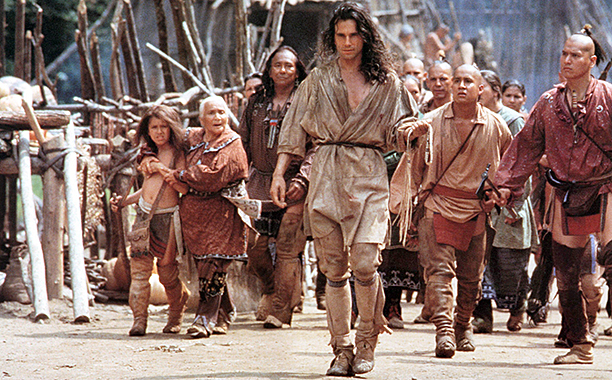
<p>In the realm of cinematic history, few movies have captured the grandeur and tranquility of nature as effectively as the 1992 historical epic, &#8220;The Last of the Mohicans.&#8221; Directed by Michael Mann and based on James Fenimore Cooper&#8217;s classic novel, the film is a visual feast that transports viewers back to the tumultuous times of the French and Indian War. While the narrative is set in upstate New York&#8217;s Adirondack Mountains, the actual filming locations are scattered across a vastly different landscape. This article aims to take you on a journey through the stunning locales where this iconic movie was filmed.</p>
<p>Do you want to know Where was Last of Mohicans filmed?</p>
<h2><strong>A Brief Overview of the Film</strong></h2>
<p>Before we delve into the filming locations, let&#8217;s revisit the storyline of &#8220;The Last of the Mohicans.&#8221; The film unfolds in 1757 during the French and Indian War, focusing on the adventures of three Mohican individuals. Major Duncan Heyward is charged with escorting the daughters of Colonel Edmund Munro to their father&#8217;s fort. However, their guide, a treacherous Huron named Magua, leads them into an ambush. The Mohican trapper Chingachgook, his son Uncas, and his adopted son Hawkeye intervene, saving the major and the Munro sisters. The trio then agrees to guide the women and Heyward to the fort, setting the stage for a series of thrilling events.</p>
<h2><strong>The Majestic Blue Ridge Mountains</strong></h2>
<p>Although the film&#8217;s narrative is set in the Adirondack Mountains of upstate New York, the actual filming took place predominantly in the Blue Ridge Mountains of North Carolina. This stunning mountain range provided the perfect backdrop for the film, with its lush forests, cascading waterfalls, and serene lakes. The Blue Ridge Mountains lent an air of authenticity to the film, making it seem as though the events were unfolding in the rugged wilderness of the 18th century.</p>
<h2><strong>Asheville: The Stand-in for Albany</strong></h2>
<p>Mann and his team chose to film several scenes depicting Albany, New York, in Asheville, North Carolina. This charming city, nestled in the Blue Ridge Mountains, stood in for Albany, where Major Heyward arrives to undertake his task. The Manor Inn Apartments on Charlotte Street, which was an inn until it closed in 1990, served as the location for the British HQ in the film.</p>
<h2><strong>The Biltmore Estate: A Touch of Elegance</strong></h2>
<p>The Biltmore Estate in Asheville, the largest privately-owned house in the United States, also features in the film. Although the film doesn&#8217;t show the main mansion, it does capture the graceful brick arch of the Bass Pond Bridge on the estate. This is the bridge that Major Heyward and his troops cross in a memorable scene.</p>
<h2><strong>The Scenic DuPont State Forest</strong></h2>
<p>The DuPont State Forest, located about 40 miles south of Asheville, serves as the backdrop for several pivotal scenes in the film. As the characters trek through the forest, they follow the Little River and negotiate the Triple Falls. These falls, along with several others in the area, make multiple appearances throughout the film, adding to the film&#8217;s visual appeal.</p>
<h2><strong>Lake James: The Home of Fort William Henry</strong></h2>
<p>One of the most impressive sets built for the film was the recreation of Fort William Henry alongside Lake James in Lake James State Park. This vast set, which reportedly cost around $1 million, was constructed at the northernmost point of the lake, just east of Wolf Pit Road. The fort&#8217;s siege scenes were filmed here, contributing to the film&#8217;s intense and dramatic atmosphere.</p>
<h2><strong>Chimney Rock Park: The Site of the Epic Finale</strong></h2>
<p>Chimney Rock State Park, located on Highway 74A East, served as the location for the film&#8217;s climactic scenes. The Indian village where Magua takes Heyward and the Munro sisters was built here. The park&#8217;s Hickory Nut Falls also features prominently in the film&#8217;s final confrontation between Chingachgook and Magua.</p>
<h2><strong>A Celebration of Nature’s Grandeur</strong></h2>
<p>The filming locations of &#8220;The Last of the Mohicans&#8221; are testament to the film&#8217;s deep appreciation for nature&#8217;s beauty. From the stunning vistas of the Blue Ridge Mountain to the tranquil waters of Lake James, each location is a character in its own right, contributing to the narrative&#8217;s authenticity and emotional depth.</p>
<h2><strong>The Impact of Filming Locations</strong></h2>
<p>The choice of filming locations undoubtedly had a significant impact on the film&#8217;s success. The locations not only added visual appeal but also helped convey the film&#8217;s historical context. By opting to film in such scenic locations, the filmmakers managed to transport viewers back in time, immersing them in the film&#8217;s narrative.</p>
<h2><strong>Conclusion</strong></h2>
<p>&#8220;Where was Last of Mohicans filmed?&#8221; is a question often asked by fans and film enthusiasts alike. While the narrative is set in the Adirondacks, the filming locations spread across the enchanting landscapes of North Carolina. The Blue Ridge Mountains, Asheville, the Biltmore Estate, DuPont State Forest, Lake James, and Chimney Rock State Park all played crucial roles in bringing this historical epic to life. These locations, with their natural beauty and historical significance, helped make &#8220;The Last of the Mohicans&#8221; a timeless classic that continues to captivate audiences worldwide.</p>
<p>So, whether you&#8217;re a fan of the film eager to revisit its magnificent settings or a film enthusiast interested in the behind-the-scenes aspects of filmmaking, exploring the filming locations of &#8220;The Last of the Mohicans&#8221; offers a fascinating journey through some of North Carolina&#8217;s most stunning landscapes.</p>

Captivating Realism: How Filming Locations Enhanced ‘The Last of the Mohicans