
A smarter grocery list can do more than help with dinner; it can also support long-term health. Chronic inflammation has been linked to a range of health problems, and many experts now point to everyday eating patterns as one of the simplest ways to help manage it.
To shape this guide, current nutrition research, medical guidance, and practical grocery-planning advice were reviewed side by side, then translated into a realistic weekly shopping approach. That matters, since the best plan is the one that actually makes it from the cart to the table.
You do not need a perfect pantry or a long list of specialty products. What helps most is building meals around whole, minimally processed foods and keeping a few flexible staples on hand. That makes healthy choices easier on busy weeknights and helps turn good intentions into routine.
Contents
Start With the Staples That Do the Most Work
A simple way to shop for anti-inflammatory eating is to focus on foods you can use in more than one meal. The best anti-inflammatory foods are usually the same foods that make weeknight cooking easier: colorful produce, fiber-rich pantry basics, healthy fats, and lean proteins.
Berries are a strong place to start. Blueberries, strawberries, blackberries, and cherries contain antioxidants and plant compounds that are often linked with lower inflammation. Fresh works well, but frozen berries are just as useful for smoothies, oatmeal, or yogurt bowls, and they usually cost less.
Leafy greens deserve a regular spot on the list, too. Spinach, kale, arugula, and mixed greens are easy to add to eggs, grain bowls, soups, and salads. Colorful plant foods and olive oil are central parts of anti-inflammatory eating patterns, largely due to naturally occurring compounds such as polyphenols.
Beans and lentils are another high-value buy. They are affordable, filling, and easy to keep on hand in canned or dried form. Toss them into soups, tacos, pasta, or salads. Many nutrition experts point to legumes as part of a broader eating pattern that supports lower inflammation over time.
Then there is olive oil. A good extra-virgin olive oil can anchor an entire week of meals, from roasted vegetables to quick marinades to salad dressing. It is one of the most consistent features of Mediterranean-style eating, which is commonly associated with lower rates of inflammatory disease.
What to Put in Your Cart for Easy Weeknight Meals
Once the basics are covered, the next step is to pick foods that work together.
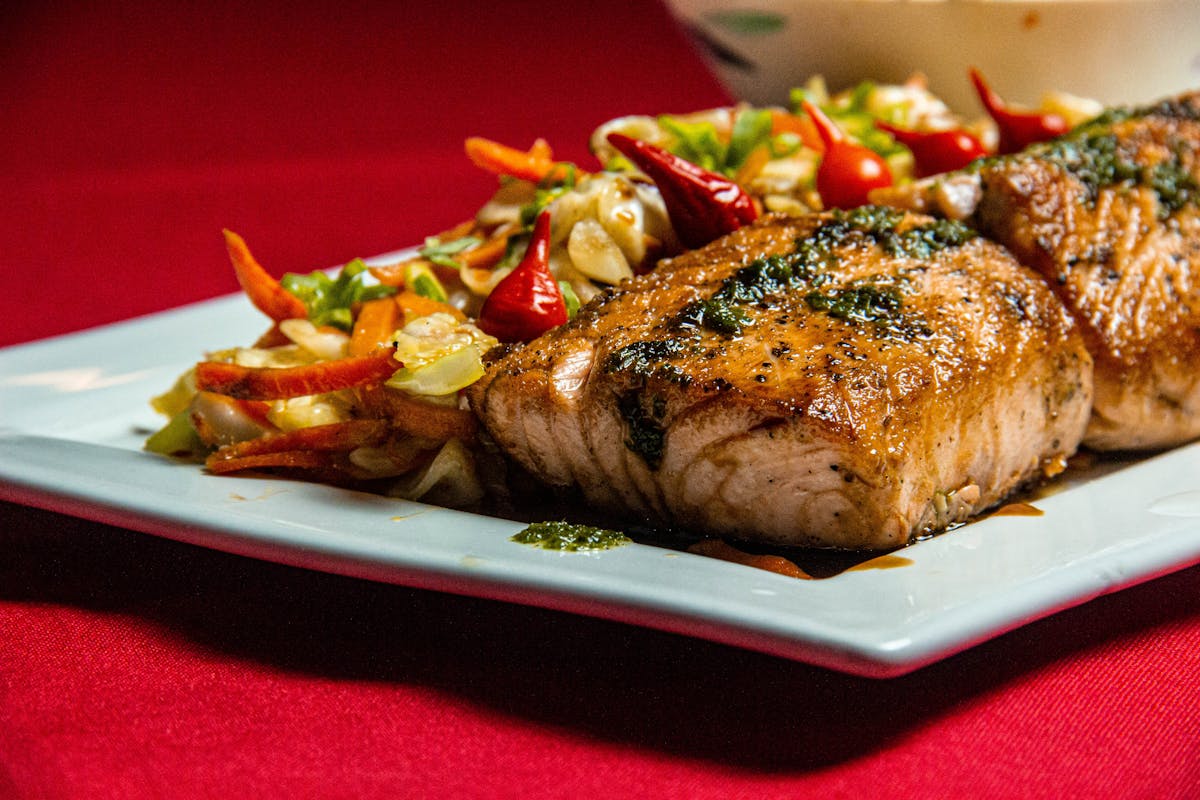
Fatty fish is worth buying at least once a week. Salmon, sardines, trout, and mackerel contain omega-3 fatty acids, which have been widely studied for their role in the body’s inflammatory response. Fresh fillets are great, but canned salmon or sardines can be even more practical for lunches and simple dinners.
Nuts and seeds also make grocery planning easier. Walnuts, almonds, chia seeds, flaxseed, and pumpkin seeds can be added to oatmeal, yogurt, salads, or snack boxes. They bring crunch, staying power, and nutrients without much effort. Nuts and seeds are often included among the foods that may help fight chronic inflammation, especially when they replace more processed snack options.
Whole grains should stay on the list as well. Oats, brown rice, quinoa, and farro are useful foundations for breakfast bowls, side dishes, and meal-prep lunches. Anti-inflammatory eating is less about chasing one magic ingredient and more about building meals from whole foods with fiber and fewer heavily processed extras.
Spices can help, too. Ginger, turmeric, cinnamon, and garlic add flavor without relying on excess salt or sugar. They are not cure-alls, but they are easy upgrades for soups, roasted vegetables, dressings, and marinades.
A practical cart might look like this: a box of greens, a bag of frozen berries, canned beans, oats, brown rice, extra-virgin olive oil, a bag of walnuts, plain yogurt, a couple of avocados, garlic, onions, and one or two fish options. That mix gives you enough range to build breakfast, lunch, dinner, and snacks without overthinking it.
Skip Perfection, Build a Repeatable Routine
The biggest mistake shoppers make is treating anti-inflammatory eating like a short cleanse. It works better as a steady pattern.
That means looking at what usually ends up in the cart and making a few smart swaps. Replace chips with nuts or roasted chickpeas a few times a week. Choose oatmeal instead of a sugary breakfast pastry. Use olive oil-based dressings more often than creamy bottled options. Add beans to taco night, toss spinach into pasta, or serve salmon with roasted vegetables instead of a more processed frozen dinner.
It also helps to think in meal templates. One easy formula is vegetables plus protein plus whole grain plus healthy fat. A grain bowl with brown rice, salmon, greens, avocado, and olive oil fits that model. So does lentil soup with a side salad and whole-grain toast. These meals are not trendy, but they are realistic.
That is also the point. Anti-inflammatory eating should feel doable for a Tuesday night, not just a Sunday reset. A grocery list filled with flexible staples makes that far more likely.
A Smarter Cart Starts This Week
The strongest grocery list is not the one with the most superfoods; it is the one that helps healthy meals happen again and again. Stocking berries, greens, beans, whole grains, nuts, olive oil, and fish gives you a simple framework for eating in a way that supports overall wellness. Over time, those ordinary choices can matter more than any single ingredient.
When the weekly shop is built around convenience, flavor, and the best anti-inflammatory foods, healthy eating stops feeling like a project and starts feeling like a routine.
