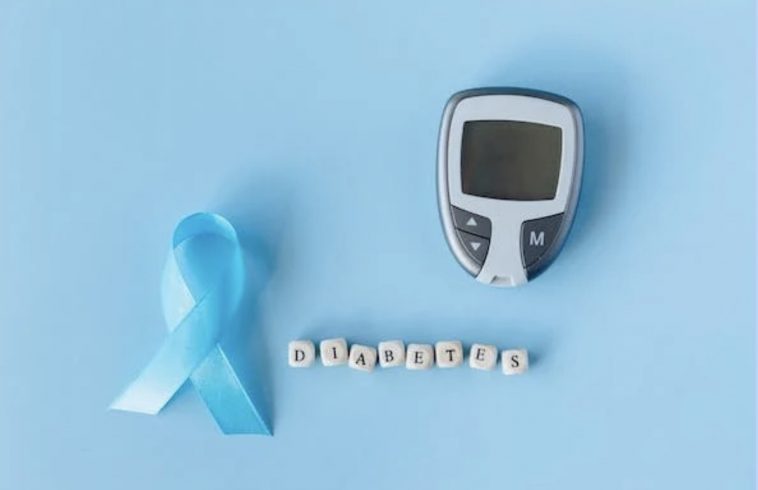
<p>Diabetes is a serious, life-threatening illness that affects millions of people all over the world. It occurs when your body does not produce or use insulin properly, and if left untreated, it can lead to blindness, kidney failure, heart disease, and stroke. But with proper treatment and care, most people with diabetes can live long and healthy lives.</p>
<p>If you have been diagnosed with diabetes or think you might have it, it is vital that you learn as much as you can about this condition and how to manage it. The following are seven crucial things you must know to live well with diabetes:</p>
<h2>1) The Importance of Monitoring Your Blood Sugar Levels Regularly</h2>
<p>One of the most important things you must do when you have diabetes is to monitor your blood sugar levels regularly. This means checking your blood sugar level at least four times daily and more often if necessary. You can detect sudden changes and take corrective action as needed by keeping track of your blood sugar levels.</p>
<p><img class="alignnone size-full wp-image-11332" src="https://gazetteday.com/wp-content/uploads/2022/10/Screenshot-2022-10-17-at-13.54.45.jpg" alt="" width="1168" height="632" /></p>
<p>Regular monitoring also helps you to adjust your medication and diet as needed so that your blood sugar stays within the target range. And it allows your doctor to track your progress and make any necessary adjustments to your treatment plan. So be sure to monitor your blood sugar levels faithfully every day.</p>
<h2>2) Getting Regular Physical Activity</h2>
<p>People with diabetes are twice as likely to die from heart disease as people without diabetes. Regular physical activity is one of the best ways to reduce your heart disease risk. Exercise also helps control blood sugar levels, reduces stress and anxiety, and can help you lose weight or maintain a healthy weight.</p>
<p>There are many different types of physical activity that are beneficial for people with diabetes. Some examples include walking, running, biking, swimming, dancing, and playing sports. It&#8217;s also important to prevent blisters by wearing <a href="https://diabeticsockclub.com/">diabetic socks made for men</a> when exercising and to check your feet regularly for any cuts or sores. Aim for at least 150 minutes of moderate-intensity physical activity each week, but it&#8217;s even better if you can do more.</p>
<h2>3) Adopting a Healthy Diet</h2>
<p>A healthy diet is essential for people with diabetes. Not only does a <a href="https://gazetteday.com/2019/06/ushealth-advisors-reviews-ways-healthy-eating-fun/">healthy diet</a> help to control blood sugar levels, but it also helps to prevent heart disease and other health problems. But achieving and maintaining a healthy diet can be difficult, especially if you are not used to eating healthy foods.</p>
<p>People with diabetes can follow many different diets, but they all involve eating plenty of fresh fruits and vegetables, whole grains, lean protein, and healthy fats. It is essential to avoid foods high in sugar and saturated fat, as well as processed foods and fast food. If you are unsure what diet is best for you, ask your doctor or nutritionist for advice. They will be able to create a personalized diet plan that meets your specific needs and preferences.</p>
<h2>4) Taking Any Medications as Prescribed by Your Doctor</h2>
<p>When you have first prescribed medication, your doctor will give you specific instructions on how to take it. These instructions will include when to <a href="https://www.webmd.com/women/features/taking-medications-correctly">take the medication</a>, how much to take, and for how long. It is crucial to follow these instructions exactly as written.</p>
<p>Failing to do so can lead to ineffective treatment of your condition and potential health complications. For example, if you are supposed to take medication twice a day but only once a day, you may not get the full benefits of the drug. Additionally, if you stop taking medication before your doctor tells you to stop, you could experience harmful side effects.</p>
<p>It is, therefore, very important that you always talk with your doctor before making any changes to your prescription medications &#8211; even if those changes seem like they would be harmless. Follow your doctor&#8217;s orders closely and ask any questions about your medication.</p>
<h2>5) Knowing the Symptoms of Low Blood Sugar (or hypoglycemia)</h2>
<p>One of the most important things you need to know when you have diabetes is how to identify the signs of low blood sugar. This is because if your blood sugar falls too low, it can cause several dangerous symptoms that can put your health at risk.</p>
<p>So what are the symptoms of low blood sugar? Below are some of the most common ones:</p>
<ul>
<li aria-level="1">Feeling shaky or lightheaded</li>
<li aria-level="1">Sweating</li>
<li aria-level="1">Having a rapid heartbeat</li>
<li aria-level="1">Feeling hungry or having an intense sweet craving</li>
<li aria-level="1">Feeling irritable or anxious</li>
<li aria-level="1">Feeling confused or disoriented.</li>
</ul>
<p>If you experience any of these symptoms, it is important to check your blood sugar levels immediately and take action to raise them if they are indeed low.</p>
<h2>6) Knowing the Symptoms of High Blood Sugar (or hyperglycemia)</h2>
<p>High blood sugar, or hyperglycemia, is a severe condition that can lead to diabetes complications if not treated. It&#8217;s essential to recognize the symptoms of high blood sugar so you can get treatment as soon as possible. The sooner you bring your blood sugar under control. The less damage will be done to your body.</p>
<p>Symptoms of high blood sugar can vary from person to person and even days for the same person. Some people may experience all of the symptoms, while others may only have a few. The most common symptoms are:</p>
<ul>
<li aria-level="1">Increased thirst and dry mouth</li>
<li aria-level="1">Frequent urination</li>
<li aria-level="1">Blurred vision</li>
<li aria-level="1">Feeling tired and lethargic</li>
<li aria-level="1">Difficulty breathing</li>
<li aria-level="1">Nausea and vomiting</li>
<li aria-level="1">Abdominal pain</li>
</ul>
<p>If you experience any of these symptoms, it&#8217;s important to check your blood sugar levels and seek medical attention if necessary. Don&#8217;t wait until the symptoms become severe – early treatment can prevent serious complications.</p>
<h2>7) Being Prepared for Emergencies</h2>
<p>Anyone with diabetes needs to be prepared in case of a medical emergency, like low or high blood sugar. You should always carry glucose tablets or some quick-acting sugar to treat low blood sugar and ensure that those around you know the signs and symptoms of low and high blood sugar.</p>
<p>It would help if you also had an emergency plan in place with your doctor that outlines what steps to take in case of a serious diabetic complication, like ketoacidosis or hypoglycemic coma. It is also a good idea to wear medical identification indicating that you have diabetes, so healthcare professionals will properly know how to treat you in an emergency.</p>
<p>It is important to remember that managing diabetes can be challenging at times, but with the right knowledge and support system, you can live a long and fulfilling life. Don&#8217;t hesitate to seek help from your healthcare team or a diabetes educator if needed.</p>

It Is Crucial to Know These 7 Things When You Have Diabetes