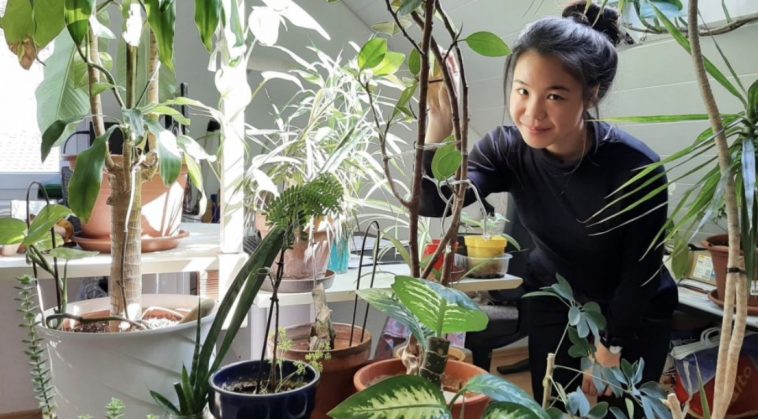
<p>Caring for inHigh-Lightoor plants is a highly gratifying hobby that can bring a stunning, natural touch to your home. The popularity of houseplants has skyrocketed, with a growing number of millennials embracing the role of &#8220;plant parents&#8221; by nurturing plants from seedlings to maturity. In a research study,<a href="https://www.growertalks.com/Article/?articleid=25546"> 72% of participants</a> reported that having houseplants boosted their happiness. Moreover, this trend isn&#8217;t just a fad; it&#8217;s a thriving industry. Houseplant sales are projected to continue ascending, reaching a global market revenue of approximately<a href="https://www.linkedin.com/pulse/indoor-plants-market-expected-reach-value-usd-2623-billion-morrow" rel="nofollow" > $26.23 billion by 2029</a>.</p>
<p>Even if you don&#8217;t consider yourself naturally skilled with plants, acquiring the right knowledge allows you to easily care for a multitude of houseplants. All you need is indoor plant care tips, but we can help you with that.</p>
<h2>How do I make my indoor plants happy?</h2>
<h3>#1 Create Perfect Lighting</h3>
<p>To ensure optimal plant growth, it is crucial to select species that align with the light conditions in your space. Here&#8217;s a general guide:</p>
<ul>
<li>Low Light Plants: You can nurture these plants in areas where filtered or indirect light is available, such as north-facing windows or spots farther from natural light sources. Sansevieria&#8217;s and Peace Lilies are some examples.</li>
<li>Medium Light Plants: They thrive when exposed to bright, indirect light and are suitable near east or west-facing windows. Pothos and Spider Plants are good examples.</li>
<li>High-Light Plants: These plants require direct sunlight and flourish near south-facing windows or under high-quality artificial grow lights. Succulents and Ficus are common examples.</li>
</ul>
<h3>#2 Choose Plants to Fit Your Schedule</h3>
<p>Are you new to taking care of plants? Neglecting them accidentally because of a packed schedule, active social life, or occasional forgetfulness is understandable. No worries, though. Some plants are perfectly okay with that kind of lifestyle. As someone constantly on the go, you&#8217;ll appreciate low-maintenance and drought-tolerant succulents, ZZ plants, or snake plants. They&#8217;re pretty laid-back, as long as they get enough light (bright and low light, respectively). These plants will keep thriving even when you return from your next trip.</p>
<p>If you have more time to spare, you can try tending to air plants, orchids, or ferns, which love attention. You just need to install the identify plants app, which gives you all the information you need. If you have <a href="https://apps.apple.com/us/app/ai-plant-identifier-care-lily/id1570145257">flower identification</a> and an understanding of your schedule and indoor conditions, you will be able to find the perfect flowers. This plant app can determine from a photograph what this plant is and its care requirements. If you use the tips from the Lily app, it will only be a matter of time before your home garden becomes a joy to the soul. Moreover, this app for iPhone gives the necessary advice on caring for a plant at all stages of its life cycle.</p>
<h3>#3 Provide Sufficient Watering</h3>
<p>Houseplants vary in their watering requirements, depending on growth and seasonal changes. It&#8217;s better to water them as needed instead of following a fixed schedule. Generally, plants in a well-drained potting mix should be watered when the top 1/2 to 1 inch of soil is dry. Cacti and succulents need less water, while flowering plants may require slightly more.</p>
<p>Overwatering leads to the demise of many houseplants. If unsure, it&#8217;s safer to keep plants slightly dry rather than oversaturating them. Also, avoid splashing water on leaves and stems to prevent disease and leaf spotting.</p>
<h3>#4 Keep Temperatures Stable</h3>
<p>Maintain a stable home environment for your plants to avoid stressing them. Keep the temperature between 65 and 85 degrees F, and prevent placing plants near radiators, A/C units, or forced-air vents that could create hot or cold drafts.</p>
<h3>#5 Fertilize Houseplants Periodically</h3>
<p><img class="alignnone size-full wp-image-15249" src="https://gazetteday.com/wp-content/uploads/2023/12/Screenshot-2023-12-18-at-16.52.49.jpg" alt="" width="1106" height="724" /></p>
<p>To determine the appropriate amount of fertilizer for your plants, factors such as their growth rate, age, and the time of year should be considered. Houseplants typically experience significant growth during the spring and summer seasons, making this the ideal time for fertilization. Conversely, during the fall and winter months, minimal to no fertilizer is required for most houseplants. To determine the appropriate dosage, refer to the instructions provided on the label of the fertilizer product.</p>
<p>It is important to avoid excessive fertilization, as it can result in root damage and hinder plant growth. For flowering varieties, choose a fertilizer with balanced nitrogen, phosphorus, and potassium content. If the nitrogen level is excessively high, the plant may produce excessive foliage but fewer flowers. Additionally, using a fertilizer that includes micronutrients can help prevent nutrient deficiencies.</p>
<h3>#6 Repot Overgrown Houseplants</h3>
<p>If you&#8217;re unsure whether your houseplants need repotting, check their root systems. If you notice the roots circling inside the container, it might be time to repot them. For plants that have outgrown their pots, you can transplant them into slightly larger containers. Alternatively, you can trim some of the roots with a sharp knife and replant them in the same pot using fresh potting soil.</p>
<p>When repotting your houseplants, it&#8217;s also a great opportunity to divide those with multiple stems and create new plants. Repotting your houseplants during the spring and summer seasons works best.</p>
<h2>Conclusion</h2>
<p>Plant care should be of high quality, but should not be a burden. All you need to do is sensibly assess your capabilities and rhythm of life; based on this data, you should select plants. This way, you can enjoy the green corner of your home without spending too much time on it.</p>

Plant Parenting 101: A Guide to Nurturing Indoor Greenery